Are your rugby matches being let down by a poor-quality ball?
Don’t settle for second best.
A subpar rugby ball can ruin your game with lousy grip and awkward passes.
Discover the top rugby balls that can elevate your play to new heights!
Best Rugby Balls
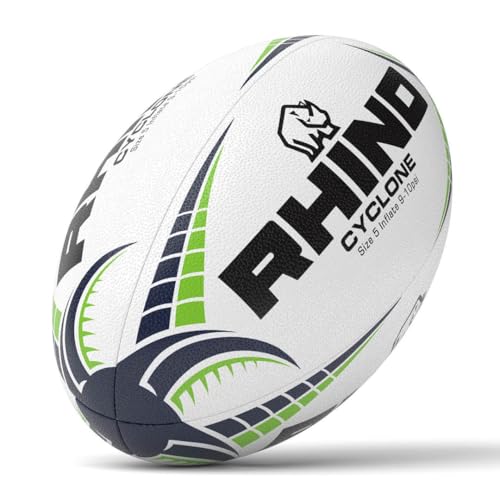
- Rugby Training Ball
- 3-d grip
- 3 ply laminated construction

- Rugby Training Ball
- 3-d grip
- 3 ply laminated construction

- Rugby Training Ball
- 3-d grip
- 3 ply laminated construction

- TRI grip technology
- Hydratec to repel water
- 3 Ply polycotton and cotton laminate
- Durable rubber surface
- Hand stitched
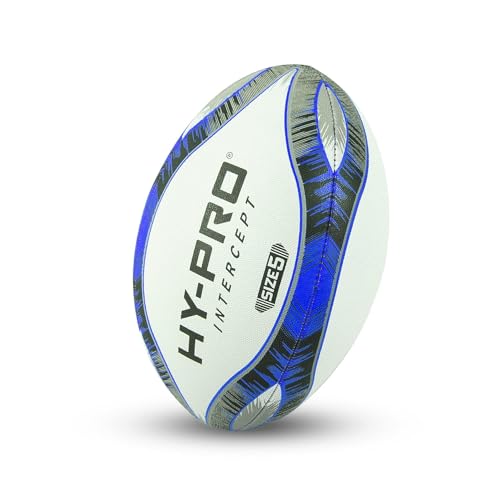
- HIGH QUALITY: The Intercept rugby ball is made from high quality rubber. The perfectly balanced weight gives the ball excellent flight and accuracy. Ideal for recreational play and training by clubs, schools and with friends and family in the garden too.
- CONTROL: The rugby ball has a pimpled outer to give extra grip and control and ensure the ball doesn't slip from the fingers. Hand stitching provides even more grip and control relative to a machine stitched ball. The perfect rugby ball to elevate your game.
- DURABLE: The high quality hand stitched rubber compound is carefully designed to last and perform.
- STYLISH DESIGN: The eye catching new Intercept design makes everyone want to join in and play. Great gift for rugby enthusiasts of all ages.
- Delivered deflated. Buy a Hy-Pro Pump for a quick inflate to start playing as soon as possible.
Checklist: What makes a great Rugby Ball
- Material: Look for rugby balls made from durable synthetic materials such as rubber or polyurethane, which offer exceptional grip and weather resistance. These materials ensure the ball performs well in various playing conditions.
- Grip: A great rugby ball must have a reliable grip. Textured surfaces or rubberised patterns ensure better handling and control, crucial for passing and catching during matches or training sessions.
- Size: Ensure the rugby ball is the correct size for its intended use. Size 5 is standard for adults, while sizes 3 and 4 are more suitable for younger players, allowing for appropriate handling and play.
- Shape and Balance: Check that the ball maintains a consistent shape and balance. A well-balanced rugby ball ensures accurate flight and consistent bouncing, essential for kicking and passing precision.
- Bladder: The bladder of a rugby ball should be made from high-quality latex or butyl to retain air pressure effectively. This ensures the ball remains at optimal firmness throughout play, reducing the need for frequent re-inflation. Find a wide range of rugby balls on our shop page.
FAQ
What is the best material for a rugby ball?
The best materials for a rugby ball are durable synthetic materials like rubber or polyurethane, offering exceptional grip and weather resistance for various playing conditions.
Why is grip important in a rugby ball?
Grip is crucial for reliable handling and control, ensuring better passing and catching during matches or training, thanks to textured surfaces or rubberised patterns.
What size rugby ball should adults use?
Adults should use a size 5 rugby ball, which is the standard size for appropriate handling and play.